- Chat Support
- FAQ
- Registrati
- Login
In the construction and industrial sectors, it is essential to safeguard the safety of professionals with PPE and fall protection systems. In this article, we cover everything related to the installation of a lifeline.
Roofers, workers, antenna technicians: these are just a few of the professions at risk of falling during their work activities. Work is considered at height when it is carried out two or more meters above a stable surface. For all these roles, working safely is indispensable, and this can only be achieved through the installation of fall protection systems and legally compliant lifelines, as well as the use of certified PPE.
On this page, we will focus specifically on the installation and maintenance of lifelines:
Let’s see in which situations it is necessary to install a lifeline and who you should contact to do so.
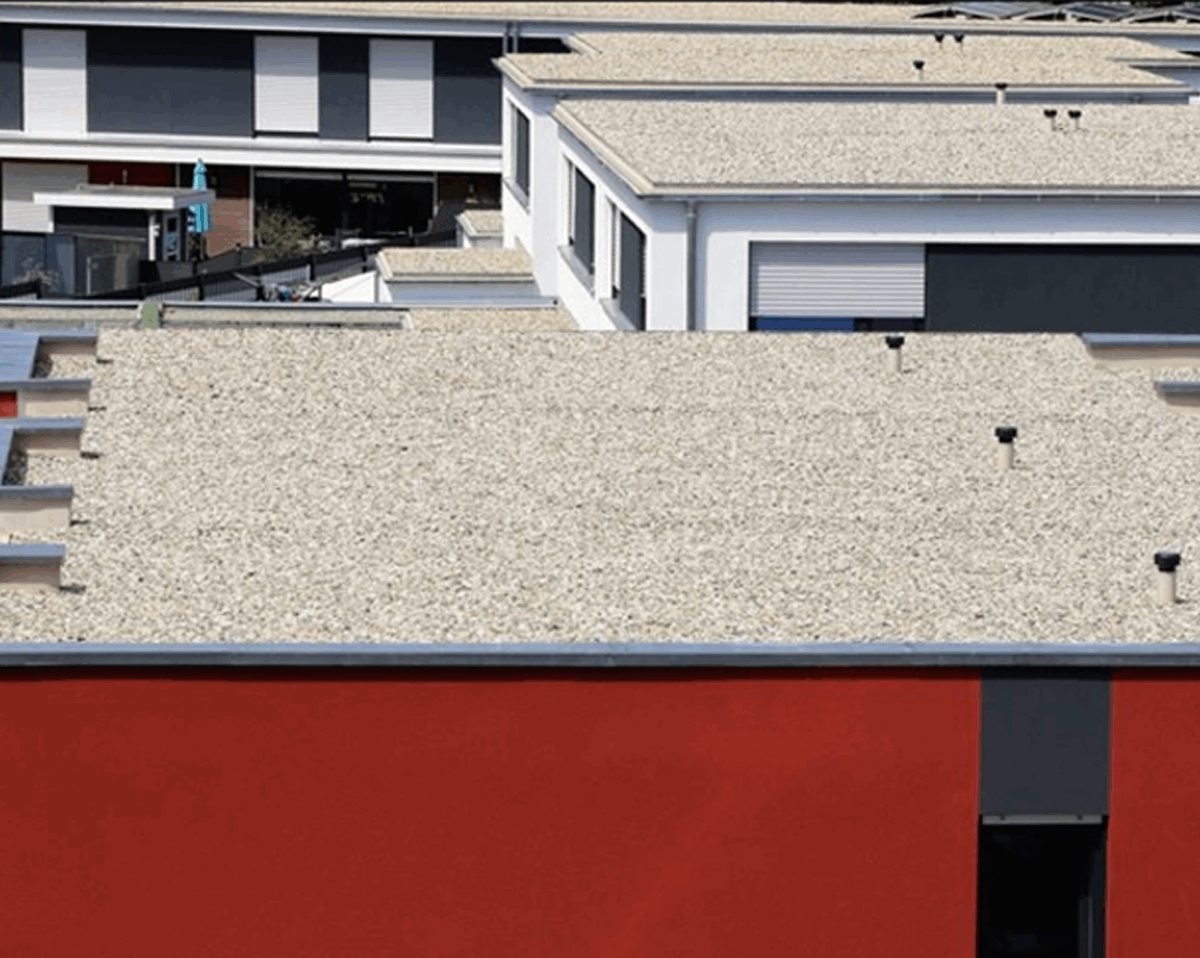
In addition to being essential for worker safety, lifelines are subject to mandatory installation under Legislative Decree 81, which requires the implementation of safety measures to protect operators working at height and refers to technical standards UNI 11560, UNI 11578, and UNI 11158.
In addition to the decree, many regions have introduced their own regulations: Tuscany, Emilia-Romagna, Veneto, Piedmont, Lombardy, as well as Liguria, Umbria, Sicily, Marche, and Sardinia. According to these regional laws, lifelines must be installed on buildings to ensure safe access to the roof for routine or extraordinary maintenance operations, as well as during renovation of existing structures.
As will be explained later, a dedicated section specifies how lifelines must be installed: they must comply with specific European safety standards and possess the necessary certifications. Furthermore, they must undergo periodic maintenance according to a strict schedule.
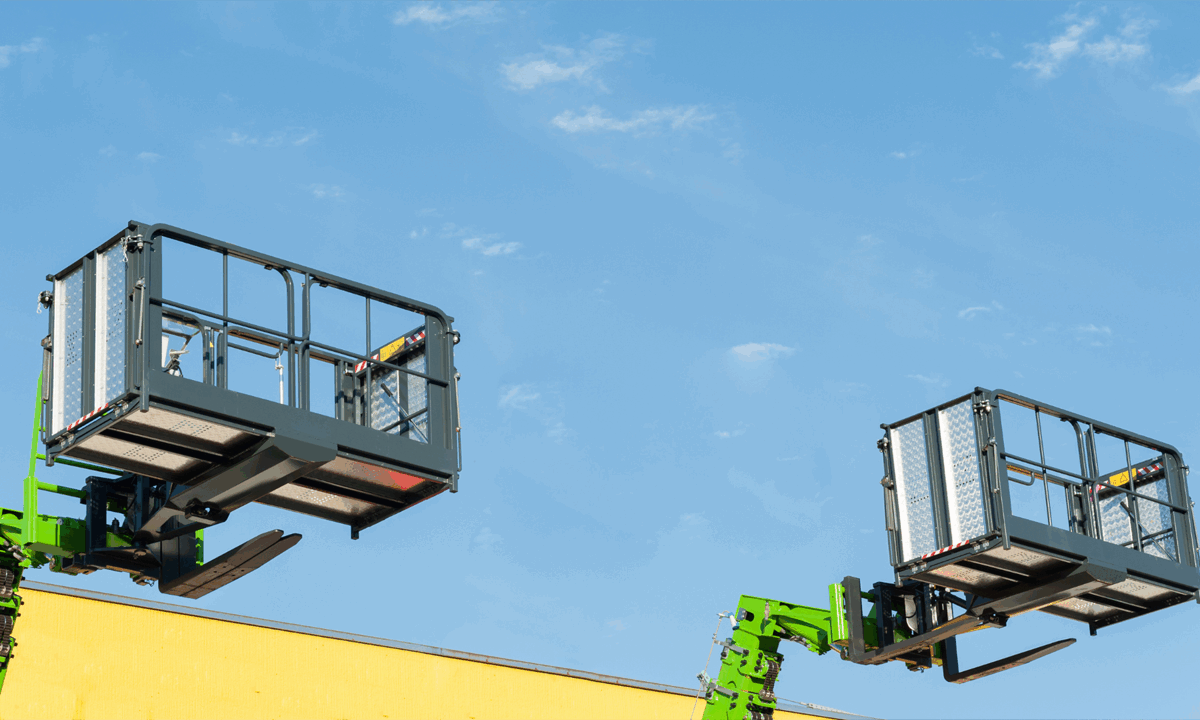
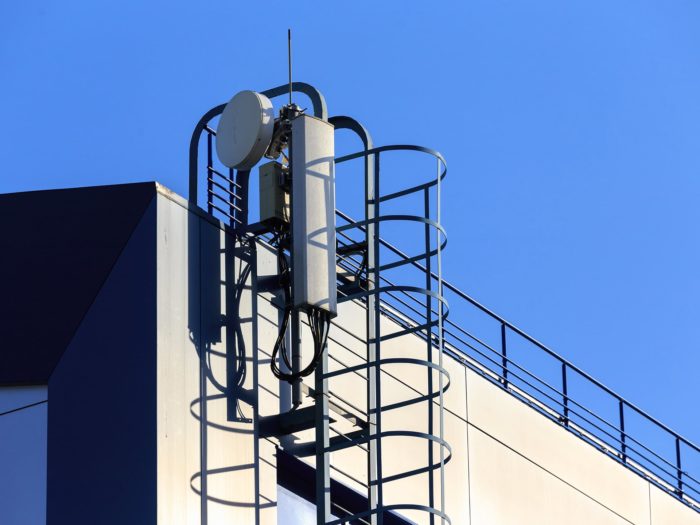
A lifeline consists of a cable or rigid rail—horizontal, inclined, or vertical—along which a connecting device such as a carabiner or shuttle moves, linked to the worker’s harness. Lifelines do not necessarily have to be straight; they can be curved to follow the shape of the surface on which they are installed.
To install a lifeline, in addition to a trained and certified operator, you need a stainless steel or galvanized steel cable for flexible lifelines, or an aluminum or steel profile for rigid ones. The installer, equipped with all the required PPE, attaches the anchors to the section where the lifeline must be installed and threads the cable through the dedicated fastening points previously secured. Lifelines can be installed wherever work safety must be ensured—on roofs, suspended ceilings, coverings, and more. DIY installation is never recommended: a lifeline must always be installed according to a proper design and in compliance with European safety regulations.
Do you need to install a lifeline? Contact us for a free quote!
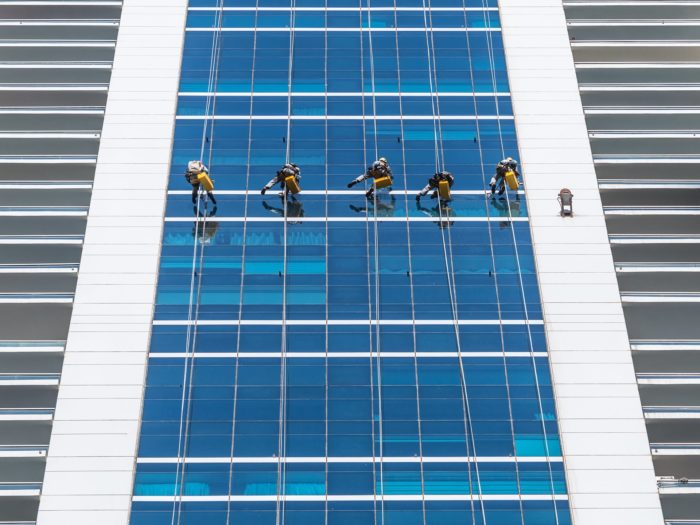
As mentioned, the installation of a lifeline must comply with specific regulations and meet strict safety standards. For this reason, when installing a lifeline, you should always rely on certified companies with solid experience in the field.
Spider Linee Vita has always aimed for the highest levels of excellence, continuously improving the quality of its services and products. Our company is certified according to ISO 9001:2015, ISO 14001:2015, and ISO 45001:2018 for the installation of lifelines and fall-arrest systems. We have also obtained the Rating of Legality certification issued by the Italian Competition Authority, and since 2011 we have adopted the Organizational Model 231 (a corporate management system that identifies operational procedures to reduce the risk of offenses being committed by executives or employees for the benefit or interest of the company).
The documents required for a lifeline system to be compliant may vary depending on regional laws, but they can generally be grouped into three main categories:
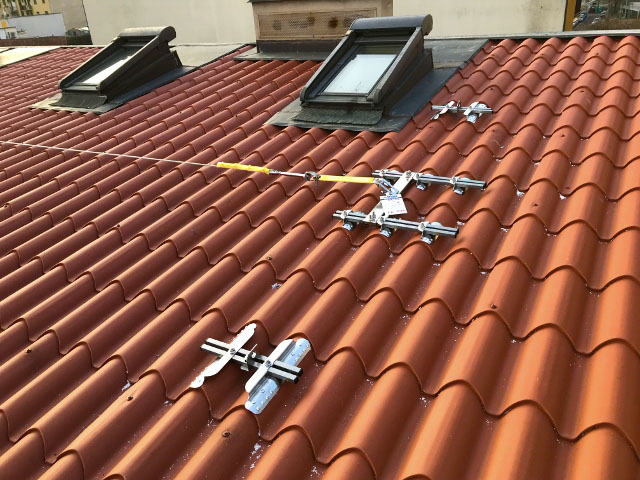
Only companies that can guarantee compliance with the standards and regulations governing lifeline systems are authorized to install them. Even though there are no laws defining a specific professional figure dedicated to installation, in practice it is clear that the work must be carried out by a company operating in the sector.
Spider Linee Vita develops its systems using cutting-edge techniques for solving technical challenges and assessing customer needs. We have always worked to improve our Quality, Workplace Health and Safety, and Environmental Protection standards. For this reason, we have implemented an Integrated Management System (IMS).
Innovation is applied both to mass-produced items and to customized solutions, all protected by national and international patents. Spider is able to design 99% of the products in its catalogue, thanks to a dedicated testing area of over 400 m².
Here are just a few of our strengths:
As mentioned earlier, there is no specific law that defines who may or may not install a lifeline system. For an installer, the distinguishing risk of their profession is work at height.
The relevant regulations are Article 117 of Legislative Decree 81/08, which defines what constitutes work at height (that is, any work activity exposing the worker to a risk of falling from a height of more than two meters), and Article 115, which specifies which protective systems compliant with technical standards (PPE) must be used by the worker after a thorough risk assessment and based on the specific characteristics of the operations to be carried out. These systems may include:
Finally, according to Legislative Decree 81/08, under Title IV, Chapter II, Annex XXI, installers of lifelines and fall-protection systems in general are required to attend a specific training course for working at height, lasting 8 hours and to be renewed every 4 years (the refresher course is reduced to 4 hours).
Lifelines for flat roofs and for all structures with roofs that have a low slope require a design that ensures strong waterproofing. Lifelines can be integrated into the structure or installed afterward, thanks also to ballasted devices that do not require any type of fastening.

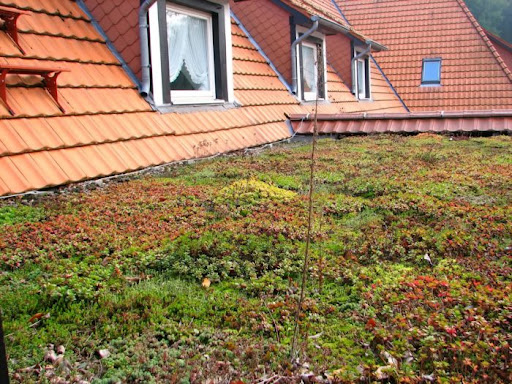
Spider Lifelines provides customized solutions for buildings with roofs featuring intensive or extensive green roofs. In this case, installation is carried out without any fastening to the substructure.
Lifelines for sheet metal roofs
Regarding the installation of lifelines on sheet metal roofs, Spider can provide solutions for all structures with roofs made of:
In the construction sector, it is also possible to install lifelines on buildings with roofs made of tiles, shingles, or substructures of various materials such as reinforced concrete, wood, metal frameworks, and historic structures.
Rely on professionals for lifeline installation: Spider is by your side!