- Chat Support
- FAQ
- Registrati
- Login
Working at height exposes operators to significant risk, requiring the design and installation of fall protection systems, also known as lifelines. Our practical guide explains in detail what lifelines are, when they are needed, which regulations they must comply with, and how to choose the system best suited to your needs from the various types available on the market.
Here are the topics we will cover:

Lifelines are safety systems installed for work at height (2 meters or more). They can be permanent or temporary and consist of rails or anchors fixed to the roof or façade, to which the worker is secured. In case of slipping or loss of balance, they prevent falls.
Thanks to their versatility, lifelines can be used in many work environments: construction, industrial sites, public works, and residential projects. They can be combined with personal fall protection equipment (PPE) depending on the environment and worker needs. Spider Lifelines supports you not only in the installation but also in assessing your requirements, designing the system, and during maintenance.

UNI is the Italian Standardization Body, which develops and publishes regulations governing various products to protect businesses, citizens, and the environment.
Specifically, UNI 11578:2015 compiles guidelines for identifying, installing, and recognizing lifelines (with fixed or movable anchor points) that can serve multiple users simultaneously and accommodate devices compliant with UNI EN 363.
As stated in the normative text, this standard does not apply to equipment regulated by:
Additionally, it cannot be applied to elements or structures intended for uses other than anchoring, as described in the standard.
What is an anchor point? According to the standard, it is “the assembly including the supporting structure (base material, anchor, and attachment element) to which the personal fall protection system can be connected.”
Next, we will see how lifelines are classified based on the installation environment.

The classification defines the requirements for each system to be correctly certified, as well as test methods and configurations. Lifelines are classified into the following types:
See also: How a lifeline is designed

Lifelines are essential to ensure the safety of workers at height. Here are 5 tips to help you select the most suitable product:
Need help choosing the right lifeline?

Spider handles the design and installation of lifelines for:
as well as fall protection systems for stairs, walkways, and guardrails. Below are the main environments where Spider installs lifelines.
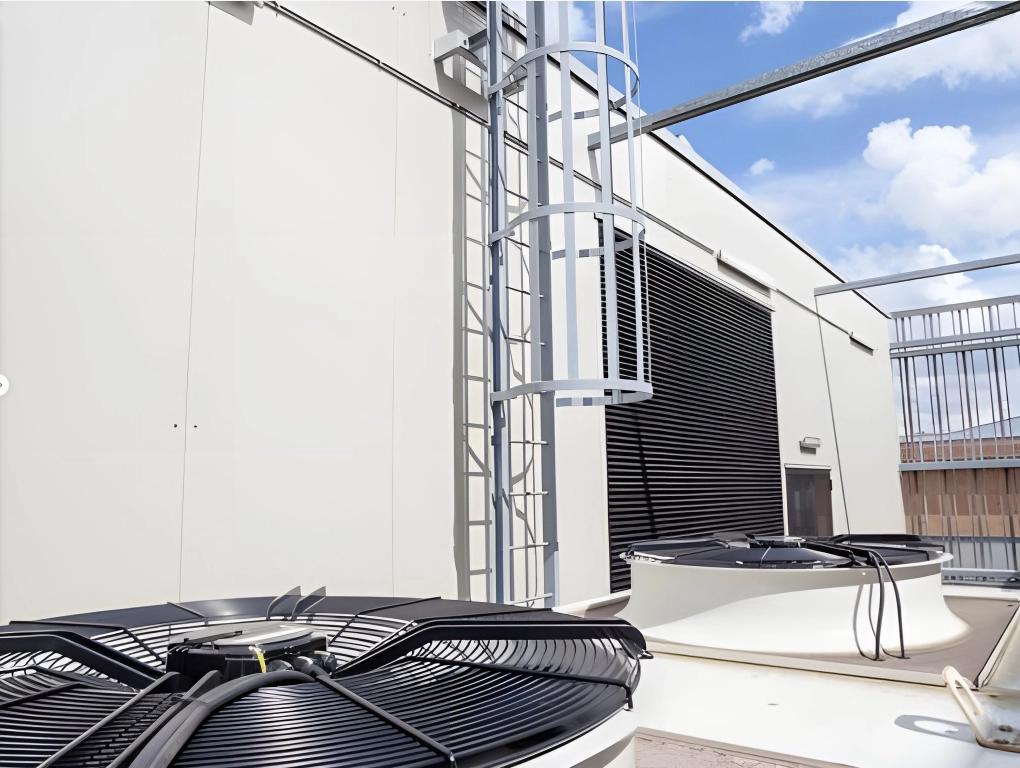
Whether for flat or sloped roofs, Spider helps you find the right solution. For flat roofs, maintaining waterproofing is critical. Weighted systems or lifelines attached to perimeter guardrails are often chosen. For sloped roofs, Spider installs solutions suitable for various materials (metal, tiles, reinforced concrete, wood, steel, or historic structures).
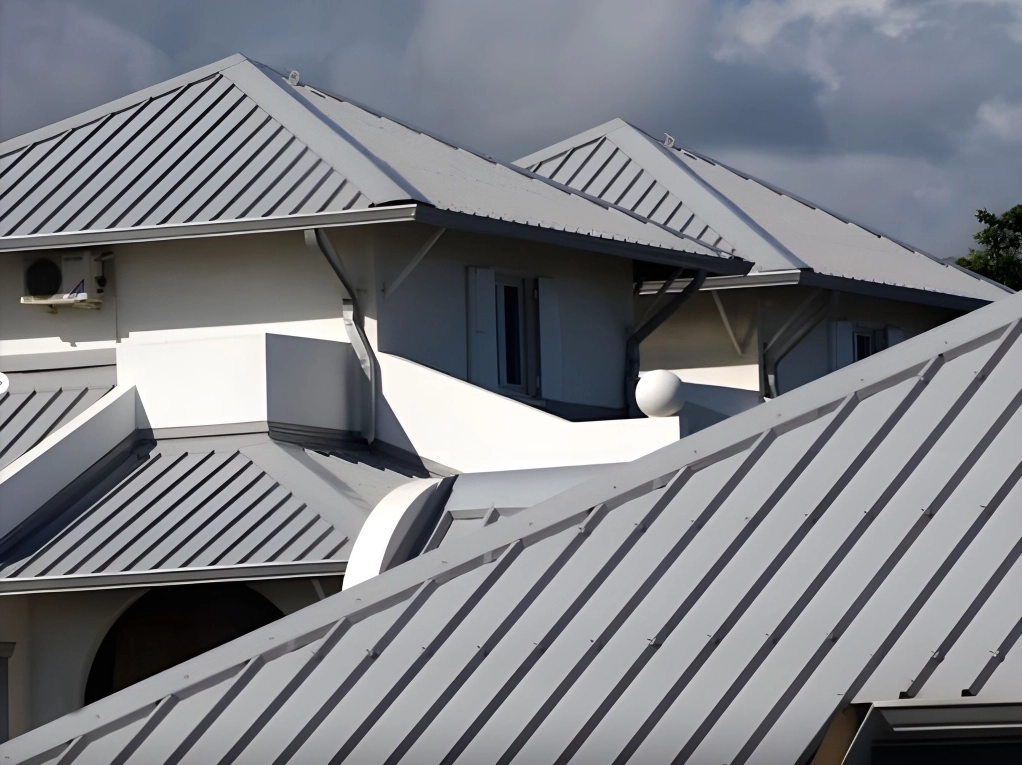
Thanks to its internal technical office, Spider can meet every request for securing historic buildings and monuments with fully customized solutions.
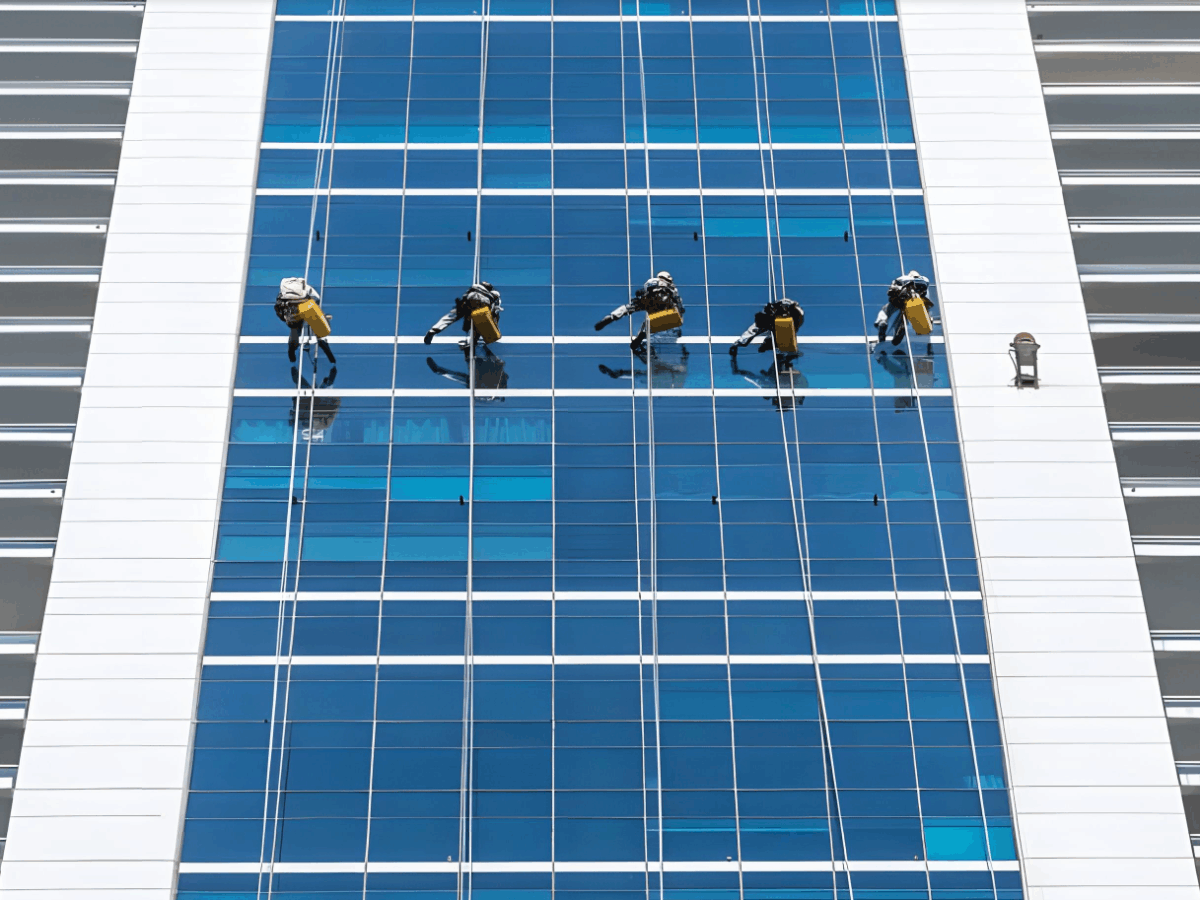
Spider provides various solutions for maintaining suspended façades, compliant with EN 795:2012 and UNI 11578:2015.
Spider offers tailored solutions to create safe pathways for roof, industrial, and construction maintenance, installing:
For runways, overhead cranes, confined spaces, or machinery maintenance, Spider designs and installs:
Need a quote for lifeline design?